
Why Your Group Reps Are Burned Out (And How to Fix It)
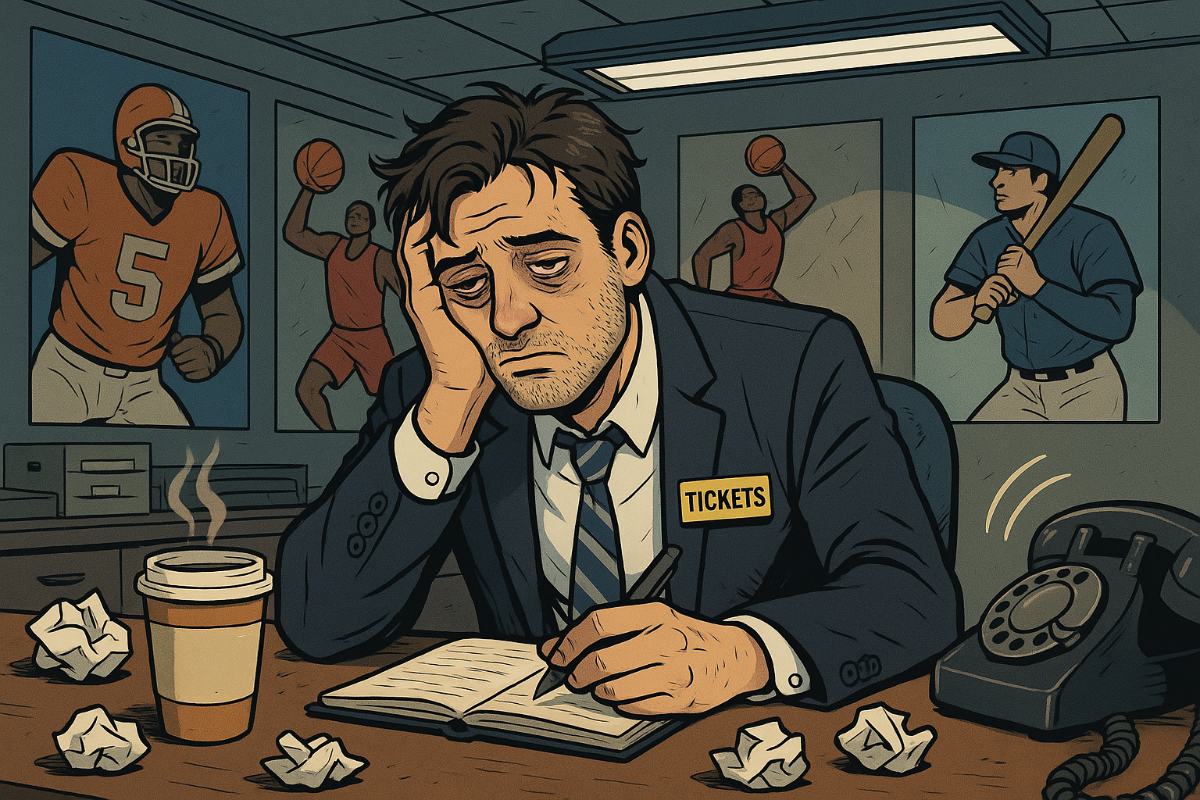
Let’s just say it: group reps are tired. And not just the “need a nap after a long day of outreach” kind of tired. We’re talking about the kind of tired that comes from carrying the weight of an entire revenue channel while being told to “just make one more call” at 7 PM on a Friday.
This isn’t a motivation problem. It’s a system problem. The traditional “always be closing” mindset is outdated, unsustainable, and, frankly, a little tone-deaf. Reps today aren’t trying to be machines. They’re trying to be high-performers and humans. If your approach hasn’t caught up to that, your burnout problem isn’t going anywhere.
Here’s the truth: if you want to build a sales team that sticks around, performs consistently, and actually enjoys coming to work, you have to give them more than contests and commissions. You have to give them autonomy, respect, flexibility, and the space to thrive as individuals—not just sales quotas in human form.
Let’s break it down.
1. Reps need a life. Seriously.
The days of glorifying 12-hour workdays are over. Reps want balance. They want to go to dinner without checking their inbox. They want to take a weekend trip without guilt. And the kicker? When they get that space, they actually sell more. Burnout is not a badge of honor. It’s a warning sign.
2. Not every rep is motivated by money.
Sure, commission is great. But not everyone is chasing dollar signs. Some reps light up when they’re recognized publicly. Others want growth opportunities, mentorship, or the ability to build something from scratch. If you’re throwing the same prize at every rep and wondering why it only motivates half the room, there’s your answer.
3. Culture isn’t a buzzword. It’s the whole thing.
You can’t expect a team to thrive in a culture where fun is forced and individuality is ignored. People want to feel like they belong. That means creating space for diverse voices, interests, and communication styles. It also means skipping the awkward “team-building” exercises no one asked for and building real connections that don’t feel like a performance review in disguise.
4. Autonomy beats micromanagement. Every time.
Trust your reps. Let them test ideas. Let them own their pipeline. Let them push creative outreach strategies. When reps feel trusted, they take pride in their work. When they feel monitored like a flight risk, they start looking for the exit.
5. Sales contests and pizza parties are fine. But they’re not enough.
Yes, team lunches are fun. Yes, contests can spark a quick boost. But the reps who perform over the long haul? They’re the ones who feel seen. They’re the ones who feel like they’re building something that matters. They’re the ones who are completely bought into the vision and goals of the entire organization. And they’re the ones who are managed like individuals, not avatars on a leaderboard.
The fix? Start managing like it’s 2026, not 2006.
Your reps are telling you what they need. Space. Support. Connection. Trust. If you want results, don’t push harder. Build smarter. Treat your team like the high-performing professionals you want them to be—and they’ll show up like it.
Before the season kicks off, take a beat and look at your environment. Because if your group reps are running on fumes now, it won’t matter how good your promotions are come game day.
They won’t have the energy to sell them.